
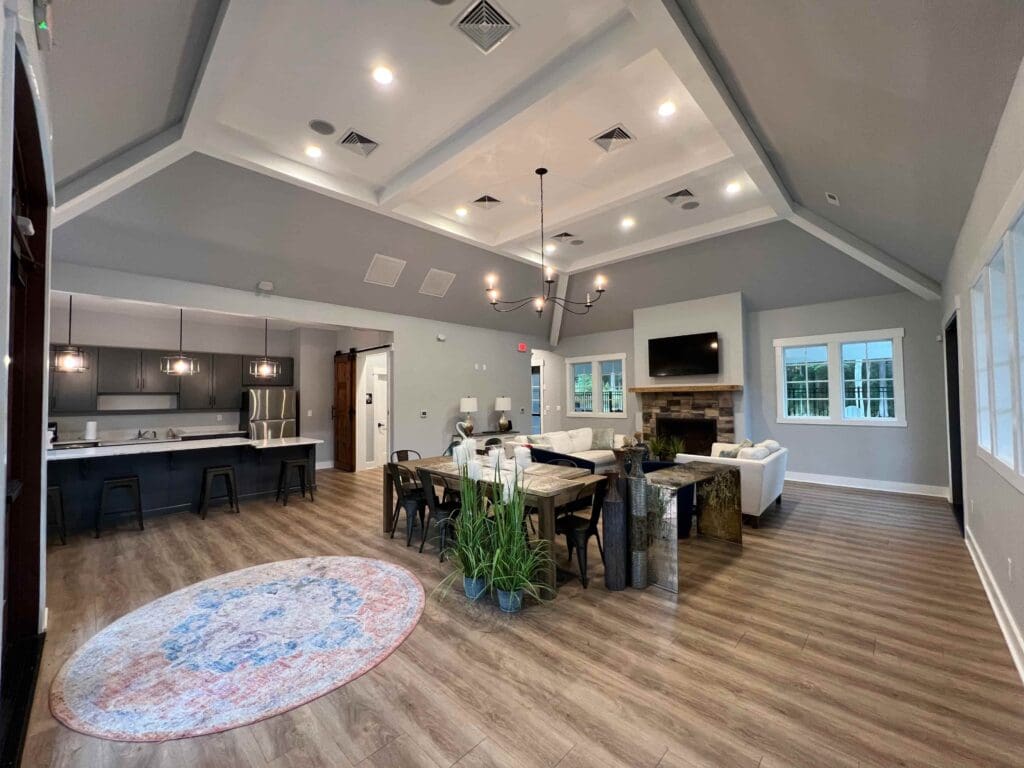
If you happen to walk into a paint aisle right now, you’ll notice something’s changed. “Greener” coatings are all over the place, and it’s not just hardcore eco-warriors who are interested. Over here in Richmond, VA, we’ve seen more and more people asking about healthier paint options. The good news is, you don’t have to sacrifice on finish, color, or durability. Go ahead and choose eco-friendly paint, and get the same great results you’d expect from a pro job.
What Makes A Paint Eco-Friendly Anyway?
When people hear “eco-friendly”, they often think it’s all about being virtuous, but in paint, it’s really about what’s in the can, what happens when it’s drying, and what it all means for your home after the job is done.
At the end of the day, the biggest factor is VOCs – that’s volatile organic compounds. VOCs are chemicals that evaporate into the air as paint dries and cures. In the real world, that can mean headaches, lingering smells and irritation for anyone with asthma, allergies or a sensitive nose. Paints that are labelled low or zero VOC cut out that nasty off-gassing and let you get back to enjoying your indoor spaces faster.
Key Benefits Of Eco-Friendly Paints
Ditching conventional paint for eco-friendly options is a practical upgrade for comfort, health and day-to-day living, especially when you’re painting the places your family actually spends time in:
- Better air quality, which matters most in bedrooms, nurseries and tight spaces with poor ventilation
- Safer for kids, pets and people with allergies or asthma, since there’s less chemical irritation during drying
- No overpowering smells or that “fresh paint” smell that clings to you for days
- Better ingredient choices, which reduce the amount of nasty stuff that gets released into your home and the environment
- Loads of color options and finishes to choose from, so you’re not stuck in a dull one-size-fits-all palette
- Easier cleanup with soap and water – a small thing, but feels pretty big at the end of a long project
Common Myths About Eco-Friendly Paints
Some people still think these options are a bunch of hooey, but the truth is they’ve become pretty common. Here are the top four myths we keep hearing:
- They don’t last as long: This used to be the biggest worry. Now, lots of low-emission lines are just as tough and durable as their conventional counterparts
- They’re only available in earthy colors: Not anymore. Most big brands now offer a wide range of colours and can tint them just the same as their standard options.
- They cost a lot more: Some options might cost a bit more per gallon, but the gap has narrowed. Plus, better paint often covers better, so you might end up needing fewer coats and less labour overall – which can even out the cost difference.
- They require special application techniques: In almost all cases, they go on just like standard paint. Use good tools, get the right primer when you need it and follow the usual prep process.
Some natural finishes behave a bit differently, but they’re not mysterious products. A pro crew can handle them without needing to wing it.
The Different Eco-Friendly Paints That Will Get The Job Done
We’ve seen a lot of eco-friendly paint options pop up in and around Richmond, Short Pump, Chesterfield, and Henrico. The “best” paint for you isn’t always the trendiest one. It’s the one that fits the space and your lifestyle.
Here are some of the most common types you’ll see, along with their strengths and weaknesses.
Low-VOC And Zero-VOC Latex Paints
This is usually where most homeowners start, and for good reason. These water-based paints have come a long way and are widely available, so you’ll have no problem finding them. If you’re painting a family room, hallway or guest bedroom, this is probably the best choice for a healthy indoor environment with a finish you know and love.
Natural Paints (Clay, Chalk, Casein-Based)
If you’re a homeowner who really wants to keep things simple and natural, these paints are worth a look. Clay and chalk-based can give you a really soft, matte finish with a bit of texture that feels warm and welcoming. Another advantage is that they breathe better. In high-humidity areas, that’s really important because it helps walls deal with all that extra moisture.
Plant-Based Or Bio-Based Paints
These paints use oils or resins from plants instead of petroleum, and that’s the big deal. They’ve got lower toxicity and may even be biodegradable, depending on the product. From a homeowner’s perspective, the smell is usually milder during application, and the finish can look amazing if you do it right.
Mineral Paints (Limewash And Silicate)
Limewash and silicate paints bond with masonry surfaces and are known for being super durable, breathable and resistant to mold. Outdoors in Virginia’s climate, surfaces get beat up pretty badly. Summer humidity, strong sun and winter temperature swings all take a toll on paint. Mineral coatings tend to handle it all pretty well, and they can be a smart choice for older masonry that needs to breathe a bit more.
Recycled Paints
Recycled paints are made from old paint that gets collected, filtered and re-made. They can be a budget-friendly option and a great way to keep usable paint out of the landfill.
The catch is that they can be a bit unpredictable. Color selection might be limited, sheen can vary, and performance can depend on how the product was made. We usually see them do best in areas like garages, utility spaces, sheds or areas where you just want decent coverage and don’t need a perfect designer finish.
How Eco-Friendly Paints Compare To Regular Paints
If you haven’t checked out paint options in a while, you might be surprised by how much eco-friendly paint has caught up. A lot of modern green formulas are now comparable to regular paints in terms of durability, color depth, and finish quality.
Odor is often the biggest difference, and that can be a big deal when you’re painting a house with people still living in it. Application is pretty straightforward, with a nice bonus of being able to wipe down with soap and water for most water-based options.
Choosing The Right Eco Paint For Your Space
Picking a paint is part art and part science.
Start with what the room is used for. Kitchens, bathrooms and mudrooms need a finish that’s going to hold up to all the moisture and frequent cleaning. Bedrooms and offices can go for a matte finish for a softer look. Trim and doors are usually better off with a slightly more durable sheen like satin or semi-gloss.
The surface you’re painting is important too. Masonry and brick often do better with mineral-based coatings, while wood trim and cabinets will call for a specific enamel line. And if you’re dealing with older plaster or moisture-prone walls, breathability is going to be a major advantage, not just a nice idea to have.
Final Thoughts On Eco-Friendly Paints That Actually Work
Eco-friendly paint has come a long way. You no longer have to choose between your health and a finish that actually lasts. With better formulas, way more colour options and more reliable performance, today’s eco-friendly paints can handle real homes with real people living in them.
At Proper Painters, we’ve seen how the right product paired up with the right prep work can really transform a space. If you’re curious what “proper prep” actually looks like before any low-VOC paint ever hits the wall, our painting prep process lays it out step by step.
We keep the communication lines open from start to finish, we only use the best products and we back our work with a results guarantee and a long-lasting warranty. If you’d like to get an estimate, get in touch with our team today.


