
I’m Dave Weatherford, owner and estimator at Proper Painters, and I’ve been in the painting business since 2022, completing 225+ projects along the way. I enjoy sharing the practical lessons I’ve picked up on real jobs, from prep work to the finishing touches, in a way that’s fun, straightforward, and actually useful for homeowners.
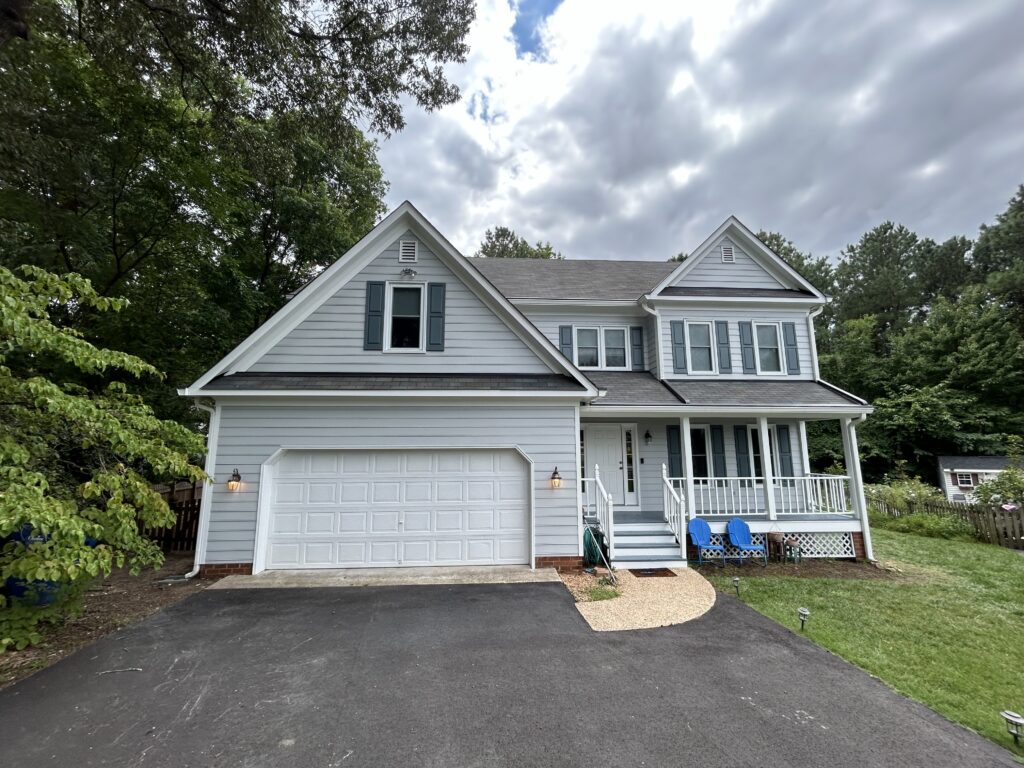
How long does it take to paint a house? Inside, most Richmond homes take our crews 3 to 6 working days, and our jobs usually finish on or ahead of the schedule we estimate. Exteriors usually run 4 to 7 days, longer if siding or trim needs replacing or the weather turns.
Those are crew days, though, and they’re only part of what you’re planning around. Add the estimate visit, a written proposal within about 48 hours, and scheduling, and most of our interior painting customers go from first call to finished in about 3 to 4 weeks.
Here’s where that time goes, and how their estimates compared with the days they actually took.
How We Count the Whole Calendar
When someone asks how long does it take to paint a house, they usually mean how many days the crew will be there. But if you’re planning around a move, a holiday or guests, the calendar matters more. Here’s how ours typically runs.
First call to estimate visit: about 2-3 business days. Jack or I come out, walk every room, measure, and note any repairs.
Estimate to written proposal: about 48 hours. It lays out the scope, the products and how many days we expect the job to take.
Your decision: as long as you need. We’ll follow up once, but we don’t push.
Signed proposal to start date: typically 1-3 weeks, depending on the season and how booked we are.
Painting days, then a final walkthrough with you before we leave.
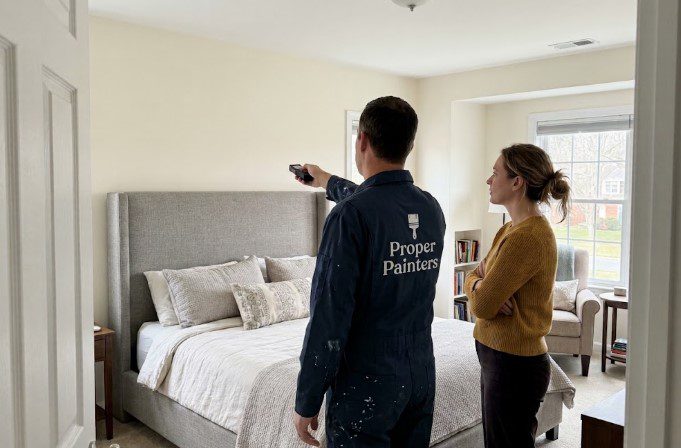
So how many days to paint a house, start to finish? The painting is often the shortest stretch on that list.
How Our Interior Estimates Compare With the Real Days
How long to paint a house interior depends mostly on how many rooms, how much trim and ceiling, and how much has to move. A useful test is whether the painter’s estimate holds up, so here’s one where it did.
One recent interior covered two bedrooms, two bathrooms, the living room, kitchen, dining area and foyer. Jack estimated it before we started, and the crew were finished in 3 1/4 days.”
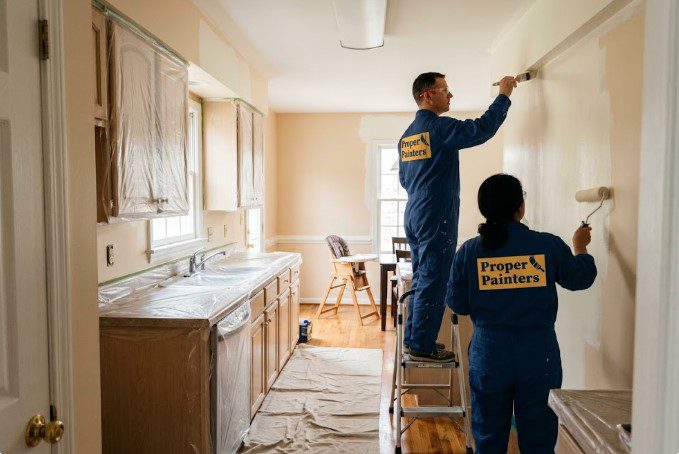
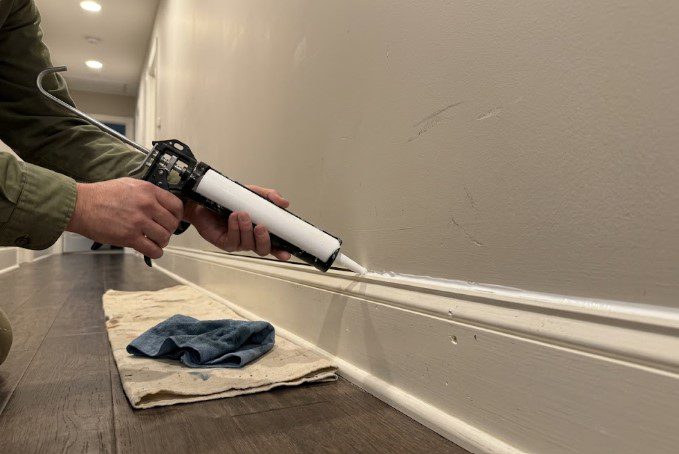
The crew of 2 spent the first day on prep and protection, covering counters, cabinets and floors and patching the walls, then rolled the ceilings that afternoon.
Day two went to the walls, and day three to the trim and doors. Finishing early wasn’t luck. Beth had helped settle the colors before the job was even scheduled, so every day went to painting, not waiting on decisions.
When Repairs Come First
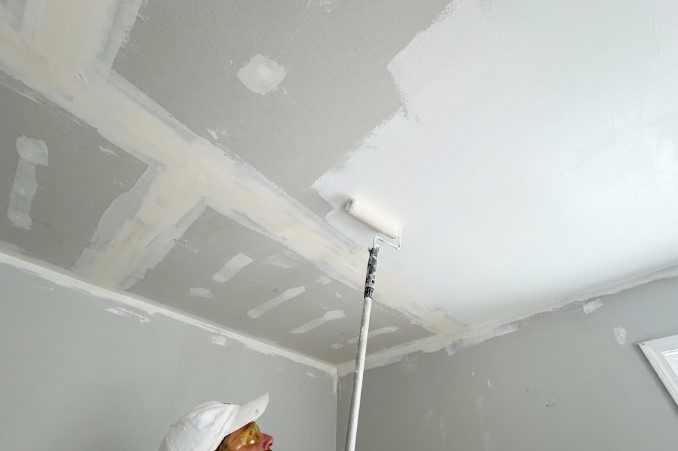
The number that surprises people most is how much time repairs add before painting even begins. Patching compound has to dry, get sanded and sometimes get a second pass. Plaster cracks in older Richmond homes take longer than drywall dings. And popcorn removal means scraping, taping, mudding and sanding a whole ceiling before primer.
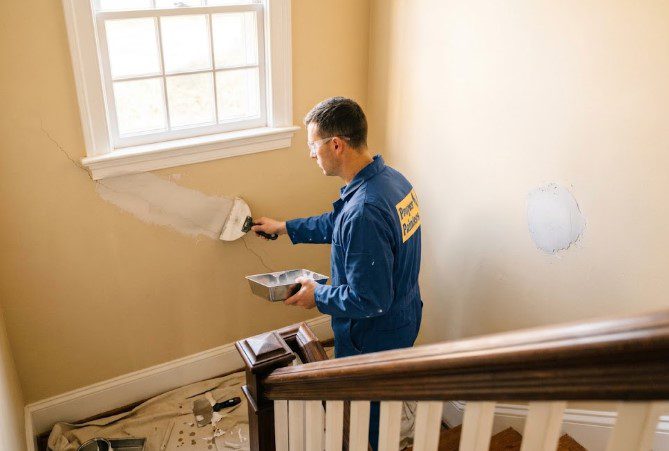
On a 1920s rowhouse in the Fan, the job started with repairing cracked plaster on the walls and ceilings throughout the first floor. We estimated 6 days in total and finished in 5, with the repairs taking 2 of those days. Repairs change the paint plan too, since a patched ceiling needs spot primer before its two finish coats.
Whoever you hire, ask them to show repair days separately in the timeline, so you can see how much of the schedule is prep and how much is paint.
How Richmond Weather Sets the Pace Outside
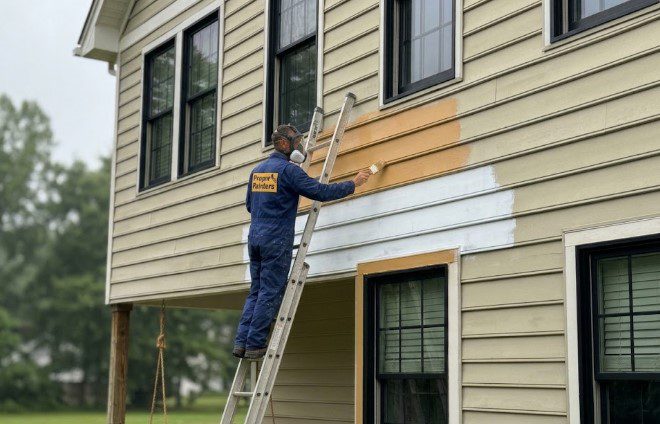
Exteriors are where estimates and reality drift apart most, and it’s rarely the crew’s doing. We can’t paint in rain, on siding still wet from morning dew, or when it’s too cold for the paint to cure, and a muggy Richmond afternoon slows drying between coats. A string of wet days in spring can add a week to the calendar without adding a single crew day.
The prep counts too. On this farmhouse, the old stain was badly faded, so the whole house was oil-primed before two coats of Sherwin-Williams Duration went on, and the wraparound deck was stripped and stained. We estimated 8 days and finished in 10, with 2 days lost to weather.
What Speeds It Up, and What Slows It Down
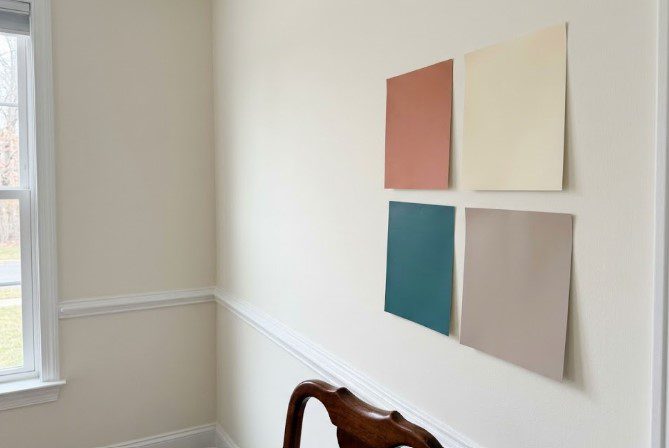
The biggest time saver is one you control: pick your colors before the start date. Color consultation is free, and settling colors early means nobody stops mid-job to wait on a sample.
Clearing small items and wall decor before we arrive helps too, so day one goes to prep instead of packing.
On the other side, a few things add days no matter how many painters are on site: repairs discovered once the scraping starts, popcorn removal, a dark-to-light color change that needs an extra coat, and wet weather on an exterior.
Adding painters shortens the painting itself, but it can’t make patching compound or primer dry any faster.
Questions We Hear About Timelines
How many days does it take to paint a house interior?
Most whole interiors take our crews 3 to 6 working days, and a single room is often done in 1. High ceilings, lots of trim and repairs push a job toward the top of that range.
Do I need to leave my house while it’s being painted?
No, most homeowners stay home. We plan the order of rooms around your routine, so you always have a kitchen, a bathroom and somewhere to sleep.
How soon can you start after I accept the estimate?
Typically 1 to 3 weeks, depending on the season. Once you sign, the start date goes in writing.
What happens if it rains during an exterior job?
We stop and pick back up once the siding is dry. Rain moves the finish date, never the quality of the work.
How long before I can put furniture back?
Usually once the paint is dry to the touch, 2 to 3 hours after the last coat. Wait a few days before rehanging pictures, since the paint is still hardening.
Get Your Own Timeline in Writing
Every house is different, so the honest answer for yours comes after we’ve walked it. Ask for a free estimate, and within about 48 hours you’ll have a written proposal showing the scope, the price and how many days we expect it to take, backed by our Results Guarantee and warranty.