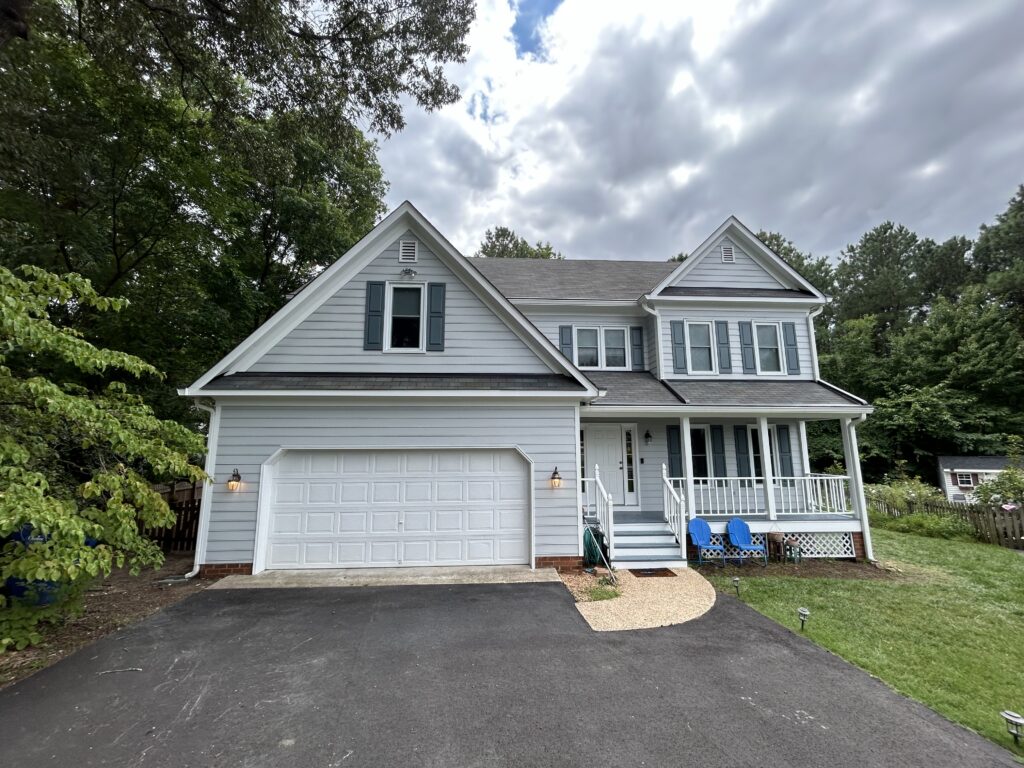
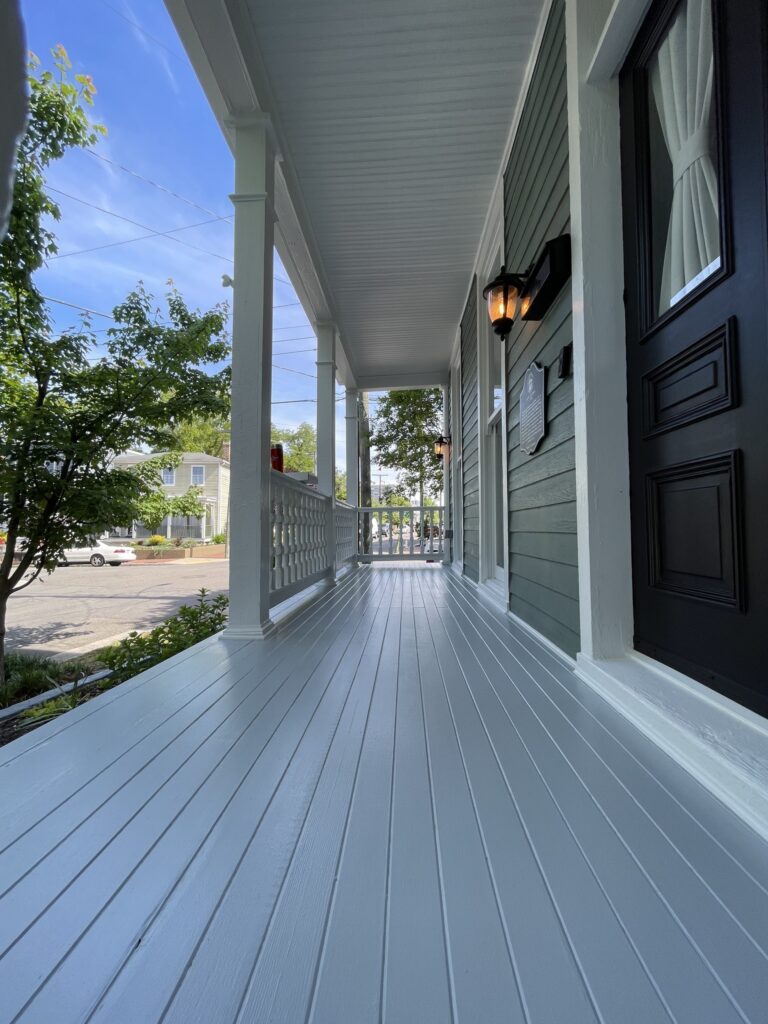
Timing is everything when it comes to exterior house painting. Choose the wrong season or ignore weather conditions, and even the highest quality paint won’t last as long as it should. For homeowners in Chesterfield and Glen Allen, understanding Virginia’s climate patterns and how they affect your exterior painting project makes the difference between a paint job that lasts five years and one that protects your home’s exterior for a decade or more.
The best times to paint a house exterior are early fall and late spring, when temperatures stay consistently moderate, and humidity levels support proper paint curing. But Virginia’s weather doesn’t always follow predictable patterns, which is why knowing when to paint your house exterior requires more than just circling dates on a calendar. It demands understanding temperature ranges, humidity levels, and how your home’s surface temperature interacts with local weather conditions.
What Is the Best Time of Year to Paint a House Exterior in Chesterfield and Glen Allen?
For Chesterfield and Glen Allen homeowners, the optimal exterior painting season typically runs from late April through early June in spring, and from mid-September through late October in fall. These windows offer the moderate weather conditions that allow acrylic latex paint to cure properly without the complications that come with temperature extremes.
Spring offers moderate weather for proper paint curing, with temperatures climbing steadily into the comfortable 60-75°F range that lets paint bond correctly to painted surfaces. Morning dew dries off by mid-morning, humidity levels stabilize, and you have consistent weather patterns that make scheduling reliable. Spring also gives your fresh paint job several months to cure fully before facing winter’s challenges.
Fall is equally good for painting if temperatures are consistent and you can complete the project before nighttime temperatures drop too low. September and early October in Chesterfield and Glen Allen typically deliver dry conditions, comfortable temperatures, and the kind of stable weather that painters rely on. The key is finishing your exterior paint job before temperatures start dipping into the 40s regularly at night.
Northern states’ optimal painting season runs from early summer through early fall, while Southern states can paint from late winter through early spring. Virginia sits in a transition zone, which means Chesterfield and Glen Allen homeowners have the flexibility to paint in both spring and fall, as long as they’re watching weather forecasts carefully and planning around rain.
What Temperature and Weather Conditions Are Ideal for Exterior Painting?
The ideal temperature range for painting exterior surfaces is 50°F to 90°F, with 60-75°F being the sweet spot where most premium exterior paints perform best. Surface temperature matters even more than air temperature. If direct sunlight heats your house exterior to 95°F or higher, paint dries too fast, preventing proper adhesion and leading to uneven coverage, blistering paint, or a powdery residue appearing within months.
According to Sherwin-Williams, you should avoid painting in direct sunlight whenever possible. Early morning or late afternoon applications work best because surface temperatures stay closer to air temperatures, giving paint the few hours it needs to level out and begin curing correctly.
Humidity levels should be between 40% and 70% for optimal painting conditions. Virginia’s humid environment in summer can push humidity well above 70%, which slows paint drying and creates conditions where moisture gets trapped under the paint film. High humidity can cause paint to blister and peel, particularly when combined with poor surface preparation or painting over a damp surface.
The Dew Point Rule requires that surfaces must be at least 5°F above the dew point before painting begins. Morning dew or high humidity can prevent paint from curing properly, so professional painters in Chesterfield and Glen Allen typically wait until mid-morning to start work and stop painting by late afternoon when evening dew begins forming.
Paint should not be applied if rain is expected within 48 hours of application. Even if the rain holds off for 24 hours, moisture in the air before a storm system arrives can compromise adhesion. Check your local forecast carefully before starting any exterior painting project.
Can You Paint a House Exterior in Winter in Chesterfield and Glen Allen?
Painting is not recommended below 35°F to avoid freezing, and most paint manufacturers specify minimum application temperatures of 40-50°F depending on the formula. Freezing temperatures prevent paint from bonding properly to the surface, and even if the paint appears to dry, it won’t cure correctly. The result is a paint job that may look fine initially but begins failing within the first year.
That said, winter painting is possible in Chesterfield and Glen Allen during warmer stretches when daytime temperatures climb into the 50s and overnight lows stay above 40°F. These windows appear occasionally between December and February, but they’re unpredictable and brief. Professional exterior painters rarely recommend winter projects unless necessary for property maintenance or emergency repairs.
Modern acrylic latex paint formulations have improved cold-weather performance, with some premium products rated for application down to 35°F. However, these paints require perfect surface preparation, bone-dry surfaces, and at least 48 hours of temperatures staying above the minimum threshold after application. One night dropping below 35°F can compromise the entire paint job.
The bigger challenge with winter exterior painting in Virginia isn’t just temperature. It’s the combination of shorter daylight hours, unpredictable weather patterns, cold surface temperatures that extend drying times, and the increased risk of moisture on painted surfaces during curing. Unless you’re facing urgent damage that can’t wait until spring, scheduling your exterior painting project for late April through June or September through October produces far more reliable results.
How Long Does Exterior Paint Last in Chesterfield and Glen Allen’s Climate?
Exterior paint can last 5-12 years depending on conditions, but Virginia’s climate creates challenges that put most paint jobs toward the shorter end of that range without proper preparation and premium materials. Sun exposure, humidity, temperature swings, and the substrate being painted all influence how long your exterior paint job lasts.
Wood siding paint typically lasts 3-7 years in humid climates similar to Florida’s, and Chesterfield and Glen Allen experience comparable humidity levels during Virginia summers. Wood expands and contracts with moisture and temperature changes, creating stress on the paint film that eventually leads to cracking and peeling. Using a quality primer and 100% premium acrylic latex paint extends the wood siding’s paint life significantly.
Aluminum siding paint typically lasts about 5 years before showing signs of fading or chalking. The metal surface expands and contracts dramatically with temperature changes, and Virginia’s hot summers combined with cold winter nights accelerate this process. An oil-based primer provides better adhesion on aluminum than water-based primers, though modern acrylic latex top coats outperform oil-based paint for the finish coats.
Stucco can hold paint for 5-15 years based on the quality of both the stucco substrate and the paint used. Properly sealed stucco painted with elastomeric paint or premium acrylic latex formulas rated for masonry can push toward the upper end of that range. Stucco that wasn’t sealed properly before painting or that develops cracks allowing moisture penetration will see paint failure much sooner.
Brick paint can last 8-17 years if applied correctly, making painted brick one of the longest-lasting exterior finishes. However, brick should never have been painted in the first place in many cases, since paint traps moisture that brick naturally releases. If you have painted brick and want to maintain it, plan on repainting every 8-10 years with proper surface preparation, including pressure washing and spot priming.
Lighter colors tend to last 2-5 years longer than darker colors because they reflect more sunlight rather than absorbing heat. Direct sunlight can lead to faster paint fading and deterioration, particularly on south and west-facing walls that receive intense sun exposure during Virginia’s long summer afternoons.
How Do Local Weather Patterns Affect Exterior Painting Timing in Chesterfield and Glen Allen?
Chesterfield and Glen Allen sit in central Virginia’s humid subtropical climate zone, which means hot, humid summers and mild to cool winters with significant temperature variability. Understanding these patterns helps homeowners schedule exterior house painting when weather conditions support the best possible results.
Summer heat causes paint to dry too fast, leading to defects like poor adhesion, visible brush marks, and color retention problems. When surface temperatures exceed 90°F, even two coats of premium paint won’t perform as designed because the paint starts drying before it can level out and bond properly. This is why professional painters often start work very early in summer, sometimes beginning at 6 AM to complete painting before the intense afternoon sun hits.
Virginia’s summer humidity creates a humid environment that extends drying times significantly. A surface that would dry to the touch in two hours at 50% humidity might take four or more hours at 80% humidity. This means fewer coats can be applied per day, extending project timelines and increasing the risk that weather changes force work stoppages mid-project.
Spring rain patterns in Chesterfield and Glen Allen can be unpredictable, with sudden afternoon thunderstorms appearing even when morning forecasts looked clear. Paint should not be applied if rain is expected within 48 hours, which means spring painting requires careful weather monitoring and flexible scheduling. Many professional painting contractors in Virginia book spring projects with weather buffer days built into the timeline.
Fall offers the most reliable weather conditions for exterior painting in the Richmond metro area. September and October typically deliver dry, stable conditions with moderate temperatures, lower humidity, and predictable patterns. The main risk in fall is starting too late in the season and having nighttime temperatures drop below safe painting thresholds before project completion.
Preparing Your Home’s Exterior for Painting
Proper preparation prevents poor results in every exterior painting project. Regardless of when you schedule your paint job, surface preparation determines whether your new paint job lasts five years or fifteen.
Pressure washing the exterior removes dirt, mildew, pollen, and other contaminants that prevent paint adhesion. This step is non-negotiable in Virginia’s climate, where mildew grows aggressively on north-facing walls and humid environments create ideal conditions for biological growth. Allow at least 48 hours after pressure washing before painting to ensure surfaces are completely dry.
Remove loose paint before applying new coats. Paint won’t magically adhere to failing old paint, so scraping and sanding loose or peeling areas down to a clean surface creates the foundation for a durable finish. Any areas showing bare wood or metal require spot priming with quality primer before top coats go on.
Use a quality primer on all bare surfaces, areas where you’ve removed old paint down to the substrate, and surfaces that have never been painted. Oil-based primers still outperform water-based primers on some surfaces like aluminum siding, but modern acrylic primers work excellently on wood, stucco, and previously painted surfaces.
Apply multiple coats for better durability and protection. One coat rarely provides adequate coverage or protection, particularly when painting lighter colors over darker colors. Two topcoats over properly primed surfaces should be considered the minimum for any exterior painting project where longevity matters.
Choosing the Right Paint for Chesterfield and Glen Allen’s Climate
100% premium acrylic latex paint lasts longer in harsh climates than economy-grade formulas or oil-based paint. Modern acrylic formulations resist moisture, allow surfaces to breathe, remain flexible through temperature swings, and maintain color retention far better than the alkyd paints that dominated decades ago.
Acrylic latex paint is ideal for exterior surfaces, including wood siding, fiber cement, primed metal, stucco, and brick. It cleans up with water, dries quickly in good conditions, and produces a durable finish that flexes with substrate movement rather than cracking like oil-based alternatives.
According to This Old House, elastomeric paint is excellent for stucco and concrete because it bridges small cracks and provides a thick, flexible coating that moves with the substrate. While more expensive than standard acrylic latex, elastomeric paint can extend coating life on masonry surfaces by several years.
The paint quality you choose matters as much as timing. Premium exterior paints from manufacturers like Sherwin-Williams and Benjamin Moore cost more per gallon but contain higher concentrations of binders, pigments, and additives that resist fading, chalking, and mildew growth. The difference in cost between economy and premium paint is typically $20-40 per gallon, but the difference in performance spans years of additional protection.
Planning Your Exterior Painting Project
Painting should be done when weather conditions are consistently dry and mild, which means planning and maintaining flexibility in your schedule. Professional painters book spring and fall projects months in advance because these optimal windows are limited and demand is high.
For Chesterfield and Glen Allen homeowners planning exterior house painting, contact contractors in late winter to schedule spring projects or in late summer to book fall work. Provide flexibility in start dates when possible, since weather delays are common even with the best planning.
Consider breaking larger projects into phases if timing is tight. Painting the south and west faces during optimal weather and saving the north and east faces for a second window can be more practical than rushing through poor conditions to complete everything at once.
Watch surface temperature more carefully than air temperature. Even if the thermometer reads 75°F, direct sunlight can push surface temperature above 90°F. Professional painters use infrared thermometers to verify surface temperatures before starting work each day.
Get Expert Help for Your Exterior Painting Project
Timing your exterior painting project correctly makes the difference between a paint job that protects your home’s curb appeal for years and one that starts failing within months. At Proper Painters, we monitor weather conditions carefully, use premium materials designed for Virginia’s climate, and never compromise on surface preparation regardless of schedule pressure.
Our team serves Chesterfield, Glen Allen, and the greater Richmond area with exterior house painting services backed by our Results Guarantee. We’ll help you choose the best time to paint your house exterior based on your home’s specific needs, schedule the project during optimal weather windows, and deliver a durable finish that stands up to Virginia’s climate year after year.
Ready to schedule your exterior painting project during the ideal season? Contact Proper Painters at 804-592-6929 for a free consultation and let our expert team help you protect and enhance your home’s exterior with professional painting services that last.